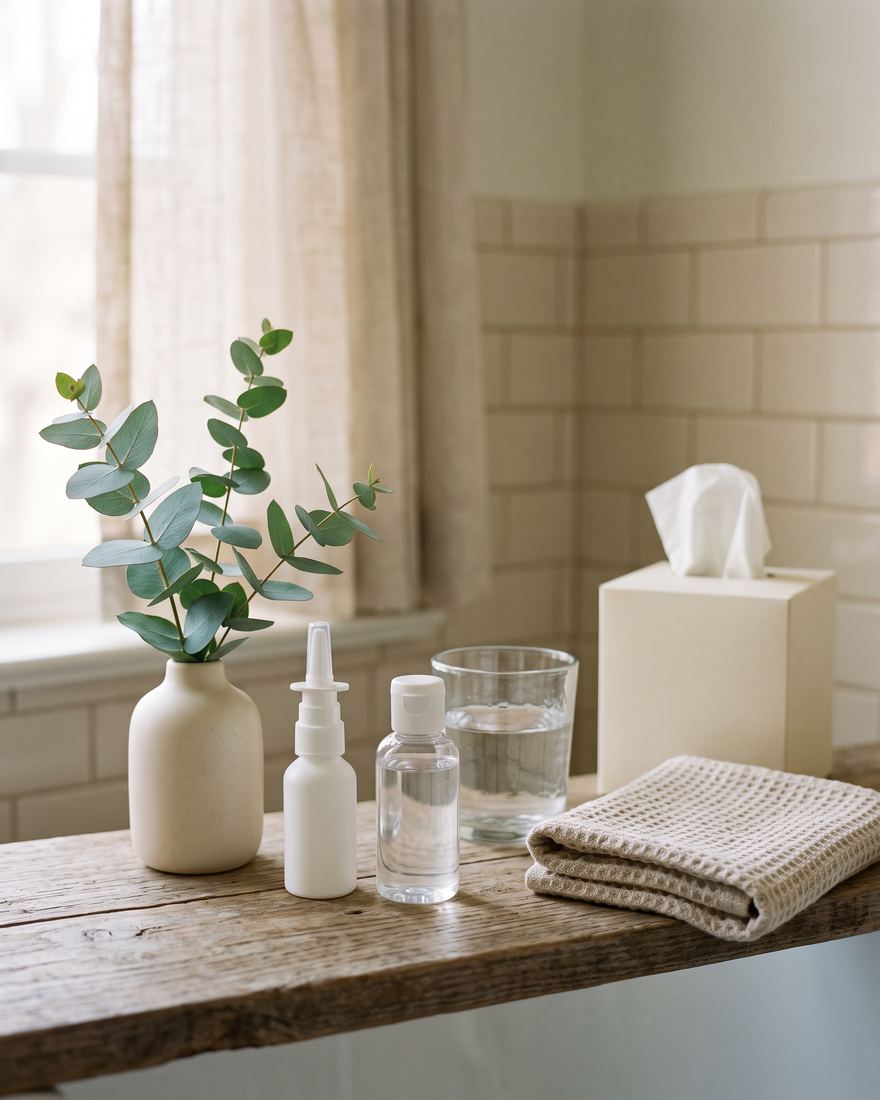
This page explains the main types of over-the-counter allergy products so you can have a better conversation with your pharmacist or doctor. It doesn’t tell you what to take or how much.
Always read the Drug Facts label, follow its directions, and check with a pharmacist or doctor first if you’re pregnant or nursing, buying for a child, take other medicines, or have conditions like high blood pressure, glaucoma or trouble urinating.
Before you start
This is general information, not a recommendation for you. Talk to a pharmacist or doctor before starting any medicine, especially for children, during pregnancy, or if you take other medications.
The main types, in plain English
Non-drowsy oral antihistamines
Products with cetirizine, levocetirizine, loratadine or fexofenadine are commonly used for sneezing, itching and runny nose. Some people still feel drowsy on certain ones.
Steroid nasal sprays
Sprays with fluticasone, triamcinolone or budesonide are commonly used for congestion and nasal symptoms. They often work best when used regularly, not just as needed.
Antihistamine eye drops
Drops with ketotifen or olopatadine are made for itchy, allergy-related eyes.
Saline sprays and rinses
Drug-free options that rinse allergens and mucus out. The FDA advises using distilled, sterile or previously boiled water for rinses, never straight tap water.
Decongestants: use with care
Oral decongestants can raise blood pressure. Decongestant nasal sprays can cause rebound congestion if used longer than the label allows, typically 3 days.
Older antihistamines
Diphenhydramine and similar products cause drowsiness. Don’t drive or operate machinery after taking them.
Where to compare options
We may earn a commission when you buy through these links, at no extra cost to you. How we choose products
Non-drowsy 24-hour antihistamine$
A common first stop for sneezing and itchy eyes.
Look for: The active ingredient your pharmacist recommends; store brands often match name brands
Steroid nasal spray$
Commonly used for ongoing nasal congestion.
Look for: Active ingredient on the Drug Facts label
Allergy eye drops$
Targets itchy, watery eyes.
Look for: Labeled for allergy itch relief
Saline nasal spray$
Drug-free rinse, safe to use often.
Look for: Simple saline, no added drug
Common questions
Are store-brand allergy pills the same as name brand?
Generic OTC drugs must contain the same active ingredient in the same strength as the brand-name version. Compare the Drug Facts labels.
Can I take two allergy medicines together?
Some combinations are common and some aren’t safe, particularly products that contain the same ingredient. Ask a pharmacist before combining anything.
Do OTC allergy meds work for food allergies?
They are not a treatment for serious food reactions. Epinephrine is the first-line treatment for anaphylaxis. Follow your doctor’s action plan.