Sound familiar?
- Itchy red rash where something touched your skin
- Dry, scaly or cracked patches
- Bumps or blisters in a pattern, like a line or a band
- Rash that improves when you stop using a product
Where it hides
Fragrance
In detergent, dryer sheets, lotions, shampoo and candles.
Metals
Nickel in jewelry, belt buckles, jeans snaps and phone cases.
Preservatives
In wipes, cosmetics and some "gentle" products.
Gloves and rubber
Latex and rubber chemicals in household gloves.
Your home plan
Play detective
Write down what touched the area in the days before the rash: new soap, jewelry, lotion, plants.
Go fragrance-free
Switch detergent, soap and lotion to fragrance-free versions. "Unscented" can still contain masking fragrance.
Add a barrier
Clear coating on jewelry snaps, cotton-lined gloves under rubber gloves.
Ask about patch testing
A dermatologist or allergist can patch test to pinpoint the exact ingredient.
Products that can help
We may earn a commission when you buy through these links, at no extra cost to you. How we choose products
Fragrance-free laundry detergent$
Removes one of the most common everyday skin triggers.
Look for: "Fragrance-free" and dye-free, ideally dermatologist tested
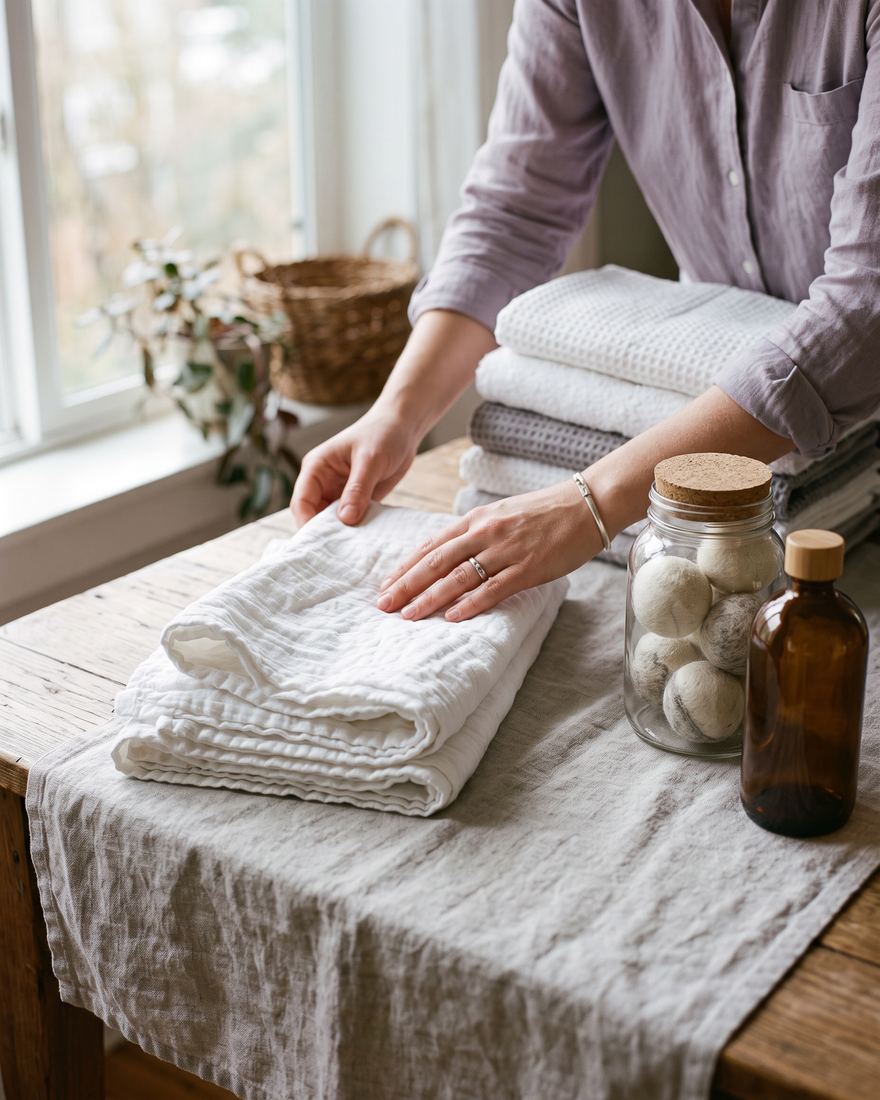
Wool dryer balls$
Replace scented dryer sheets.
Look for: 100% wool, no added scent
Fragrance-free moisturizer$
Helps repair your skin barrier without new triggers.
Look for: Fragrance-free, short ingredient list
Cotton glove liners$
A barrier under rubber cleaning gloves.
Look for: 100% cotton, washable
Common questions
What does "hypoallergenic" mean on a label?
Not much on its own. There’s no federal standard for the term. Read the ingredient list and look for fragrance-free.
Why did I suddenly react to a product I’ve used for years?
Contact allergies can develop after repeated exposure. Formulas can also change without much notice.