Sound familiar?
- Stuffy nose and sneezing in basements or musty rooms
- Symptoms flare on humid or rainy days
- Worse when raking leaves or gardening
- Cough or wheeze in damp spaces
Where it hides
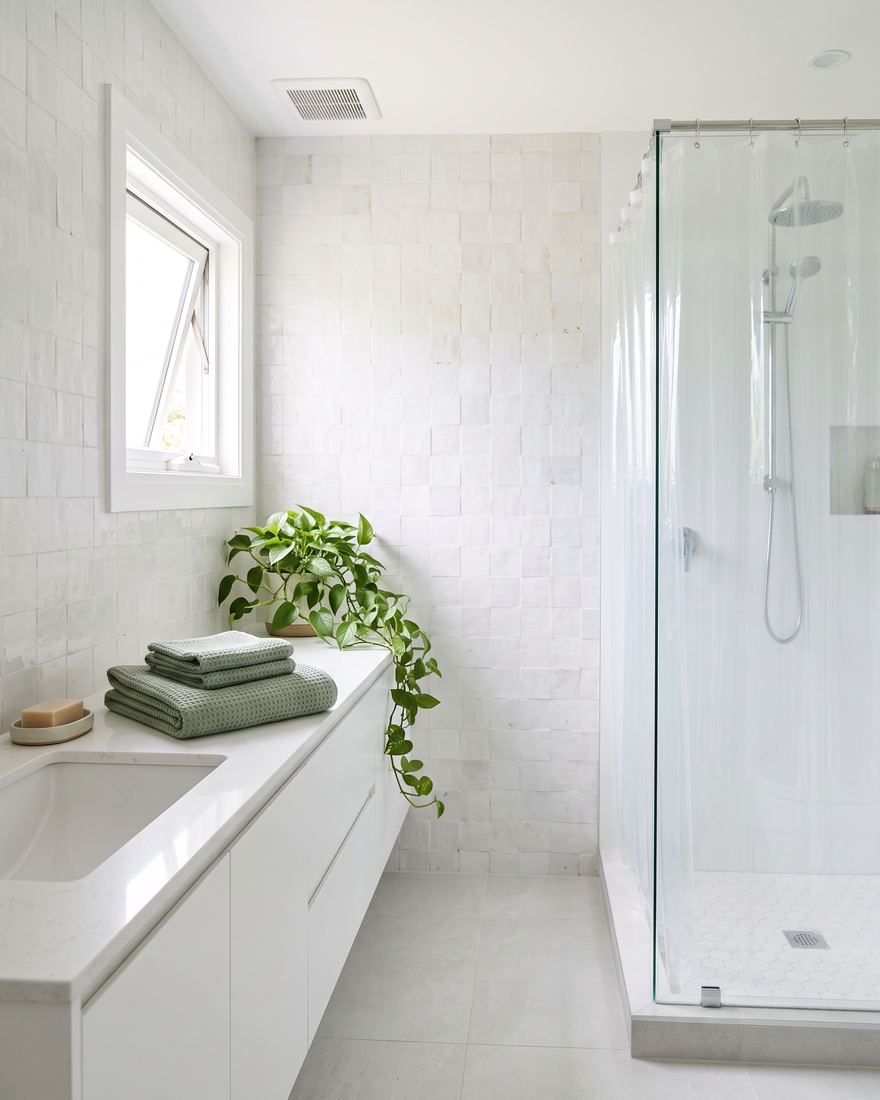
Bathrooms
Grout, shower curtains and under sinks.
Basements
Damp walls, stored boxes and anywhere with poor airflow.
Kitchens
Under the sink, refrigerator drip pans and the trash can.
Outdoors
Compost, mulch, wet leaves and fallen logs.
Your home plan
Find the water
Mold follows moisture. Fix leaks, drips and condensation first. Cleaning without fixing the source won’t last.
Keep humidity under 50%
Run a dehumidifier in basements and check levels with a hygrometer.
Vent the steam
Run the bathroom fan during and after showers, and the range hood while cooking.
Clean small spots, call pros for big ones
The EPA says areas under about 10 square feet can usually be cleaned yourself. Bigger problems, or mold after flooding, call for a professional.
Gear up outside
Wear a mask when raking leaves or turning compost.
Products that can help
We may earn a commission when you buy through these links, at no extra cost to you. How we choose products
Basement dehumidifier$$
Drying the air is the foundation of mold control.
Look for: Pint capacity for your space, continuous drain option
Hygrometer$
Shows whether a room is in the mold-friendly zone.
Look for: Digital display, min/max memory
Mildew-resistant shower curtain liner$
A common mold hotspot, easy to replace.
Look for: Machine washable, quick-dry
HEPA air purifier$$
Captures airborne spores.
Look for: True HEPA
Common questions
Should I test my home for mold?
The EPA generally says that if you can see or smell mold, you don’t need to test. Focus on fixing the moisture and cleaning it up.
Does bleach kill mold?
Bleach can remove surface mold on hard surfaces, but it doesn’t fix the moisture causing it. Never mix bleach with ammonia or other cleaners.
Why are my allergies worse in fall?
Two common culprits: ragweed pollen and outdoor mold growing on wet, decaying leaves.